
Just Do the Damn Thing...
Or rot in the painful perpetuity of "what if?".

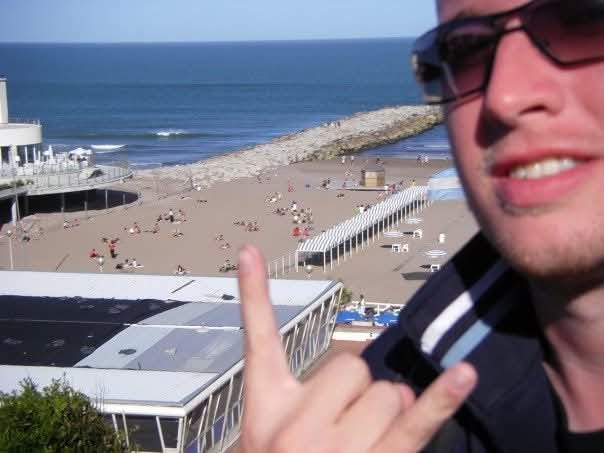
Nothing stings quite like asking yourself “what if?” after procrastination has made a decision for you. It’s a natural question, but at best it’s painful and at worst debilitating. How do I know? Lately, I’ve been the “what if?” guy more than I’d like to admit. Hesitation has never protected me from pain or improved the outcome of anything I genuinely wanted. It’s also not my style. It never has been.
I’d love to say that I’m a “do it” kind of guy in all aspects of life, but the truth is I’m not. At least not as much anymore. When I was younger, I would do almost anything regardless of the risk or danger, like many other young men. I loved the rush of spontaneity, the thrill of seeking discomfort to find a hidden joy, and the relief of never having to wonder what might have happened if I hadn’t tried.
At some point, this way of thinking broke down in me. I could analyze and pinpoint where and when, but that’s probably best for a therapist, not my readers. The important realization is that I started hesitating before doing things, and the results ranged from disappointing to devastating. When you overthink, over-plan and overanalyze things, you often stall them. The problem is that these “things” don’t wait for you.
Book the trip, quit your job, tell that girl or guy you like them, and accept the results
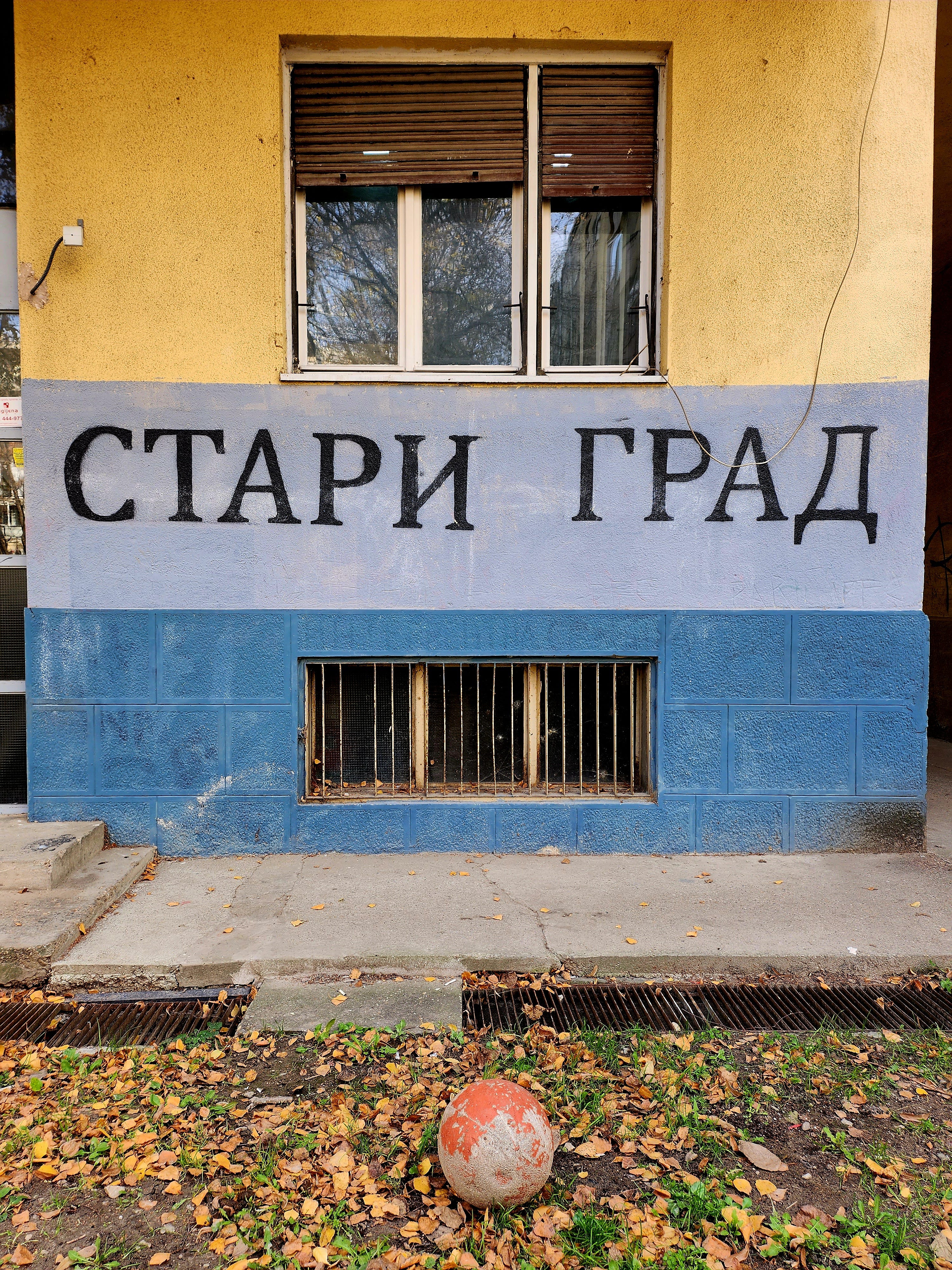
Being bold, taking a risk, or “doing something” doesn’t guarantee success. Often, you’ll get a result you don’t like. But taking action at least creates the possibility of getting what you want, or something close to it. Inaction makes the decision for you. And honestly, taking action is the best way to discover what you like, what you don’t like, and what you can tolerate. My life was nothing but “do” for a decade and a half, and despite many mistakes and close calls, it shaped my character and much of what I love and appreciate about myself as a person.
I’m still a risk taker in many aspects of life, so don’t get it twisted. It’s just less dangerous these days. Over the past few years, I’ve invited multiple women to Paris for dinner (they declined) and one to Croatia (“maybe,” then declined) without a plan for what I’d do if they said yes. I told an office job I’d only work fully remote and for 30% more money than they offered (they agreed), while I was in debt, living in Italy and had no other job prospects. I texted an NBA player and told him he was a cunt for cheating on my friend (he replied with a sad emoji). I tried walking into Bosnia from a Serbian border town while having COVID in winter (the border guards said “бр”).
But something happened to me after I turned 40 that seeped in more and more over the past five years and finally reached its peak: I overestimated risk. I started waiting too long to ask difficult questions because I wasn’t ready for the answers. I began to shut down rather than push through tough moments like the death of a friend or my Dad. I felt lied to by someone close to me and walked away instead of trying to work it out. I let anger take the wheel. I let it seep into my life and steer. Not courage, not hope, not acceptance, but ANGER. This is where life falls off the rails for all of us if we let it.
Fear is a motherfucker. That’s what most risk aversion is rooted in. It isn’t always a survival protocol, but rather a barrier to reality. Rejection hurts, but self-rejection through avoidance hurts much more. Death and loss are painful, but they become even more painful when you haven’t closed the emotional wounds you’ve been running from. Staying in a relationship that’s long dead, a career going nowhere, or a physical and mental state you don’t like isn’t noble. It’s a form of cowardice masked as self-care that, in truth, is closer to self-punishment.
The older I get, the more I convince myself that I’ve learned enough from my mistakes to create boundaries that will protect me from repeating them. But that’s all bullshit if you still feel the pain of the same mistakes, only with the flimsy caveat of a delayed result. And it’s not just me. I listen to people vent to me daily about partners they want to break up with but stay with, jobs they hate but tolerate, and trips they want to take but never book. Most of the time, it isn’t circumstance keeping them from booking the trip, dumping the d-bag, or finding a new job. It’s fear of discomfort and the unknown.
Get over your fear of vulnerability
Another hurdle in the never-ending rat race of getting shit done is the delicate nature of vulnerability. Vulnerability is a strength, not a weakness, but only if you’re brave enough to accept yourself as vulnerable. When you open this soft side of yourself to the world, the world often responds with cruelty instead of kindness. That’s the toughest part: pushing through that cruelty without an instant reward and having enough faith in yourself to accept your flaws so they cannot be weaponized against you.
I don’t respect people who hide their vulnerabilities anymore. I was one of them for many years, so I get it, but I don’t respect it now as a 44-year-old man. Vulnerability is strongly tied to accountability, and if neither is part of how you interact with others, I want nothing to do with you. The people I crave being around are the ones who admit their flaws, weaknesses, and fears. They don’t allow themselves to be defined by those things, but instead define themselves despite them.
Accountability is contagious, and that’s where courage becomes something larger than ourselves. When we acknowledge our mistakes and the damage they caused without retreating into self-hatred or blaming everyone else, we make it safer for others to do the same, and they often do. Stoicism has value in the face of adversity, but it becomes a mirage when we use it to avoid emotional pain or pretend not to care when caring is required. To become whole, we need the self-awareness to recognize which moments call for stoicism, which demand vulnerability, and the courage to choose accordingly.
It’s less painful to feel failure than to regret never trying
This is probably the hardest lesson I’ve learned since going sober and dropping almost all of the chaotic behaviors and people out of my life: finding the strength to embrace failure again. When you live in chaos, you eat, sleep and shit failure. It loses its sting, its power and its hold on you. When you try to live a life of comfort and peace, however, failure becomes a frightening reminder of what you’re trying to evolve away from.
The few regrets I’ve had over the past two years of chaos-free living are rooted in inaction, not failure. I regret not setting boundaries around destructive behavior, letting pride get in the way of happiness, and allowing fear of rejection to trap me in obsessive indifference until rejection was forced onto me. Maybe acting sooner wouldn’t have changed the outcomes, but I would have faced them directly instead of spending months trapped in avoidance. There is peace in knowing you said what needed to be said while you still had the chance.
I can forgive myself for taking a chance and being wrong. I can survive rejection, embarrassment, failure and the occasional terrible decision. What I struggle to forgive is surrendering the decision to fear and then watching life make it for me. This isn’t an argument for recklessness or detonating your life every time you feel restless. The lesson isn’t to go balls out and leap everywhere without looking. It’s to recognize when looking has become hiding, caution has become procrastination, and the consequences of doing nothing have become greater than the risk of trying.
So this is the promise I’m making to myself now: when something truly matters, I will act like it matters. I will say the uncomfortable thing, make the appointment, book the trip, set the boundary, ask the question, and accept whatever answer comes back. I will think carefully, but I will not think myself into paralysis. Failure leaves a bruise, but inaction leaves a vacancy that your imagination will spend years trying to fill. I would rather live with the bruise of an honest attempt than the permanent ache of a life I kept postponing.
Get up. Do the thing. Accept the result. Then move on to the next one.
At my age and with my years of friendships shared, I know hundreds of stories of inaction. Every one of us carries a fear of humiliation or public shame outsized to the potential in a single moment. Practicing forgiveness is one way to look back and see that no matter the outcome, I can spring back up.