
Mi Buenos Aires Querido
There is no place quite like the "City of Fury"...

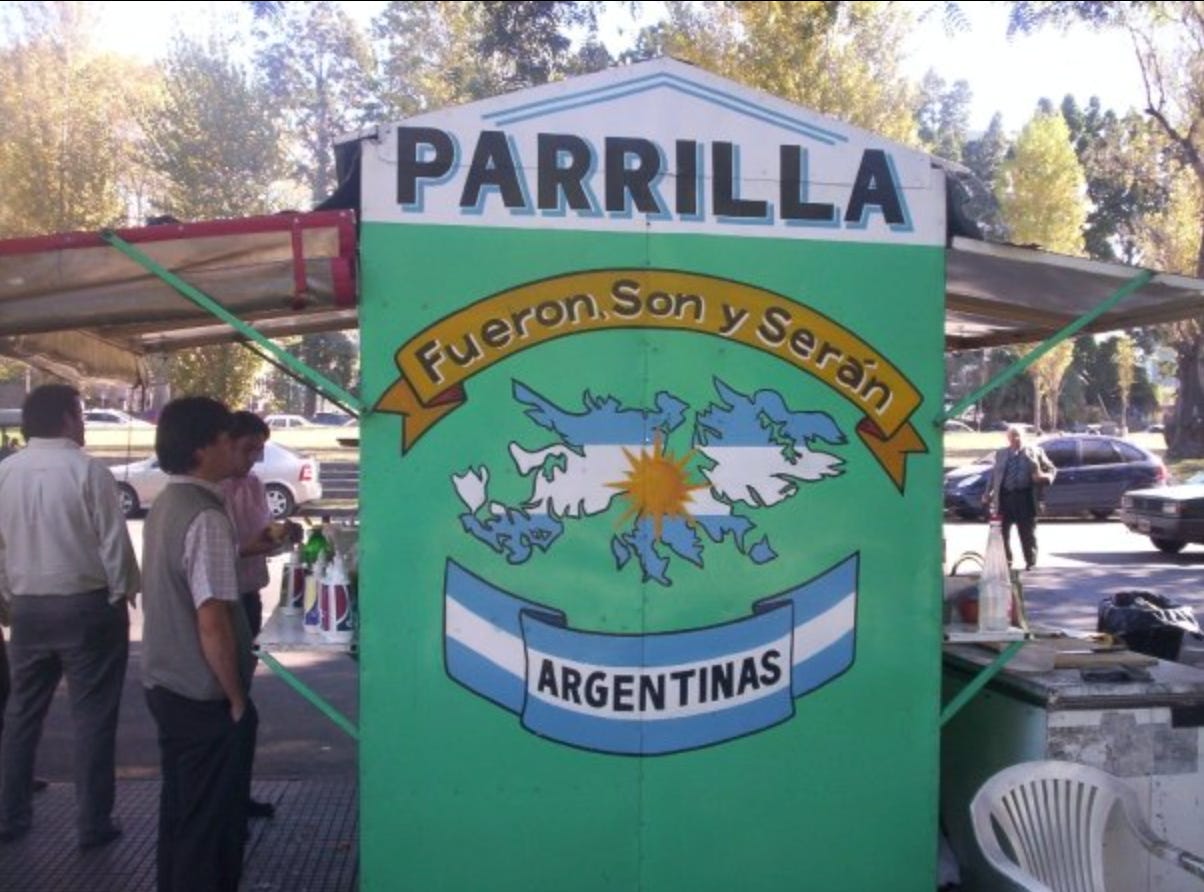
Buenos Aires, Argentina has no formidable comparison that I’ve ever seen, and I’ve seen a lot of places up close. It is a truly unique city. There is an energy there that’s overwhelming. There’s this enraging type of beauty that the city and its people exude that can be maddening, euphoric, manic, and addictive, and it never leaves. You could call Buenos Aires the “Paris of the south” or some other lazily coined “New York of….” but neither would be apt descriptions, and anyone who’s spend more than a week there could tell you that. I spent four years there.
The allure of Buenos Aires is fairly simple on its surface, particularly for tourism. It’s exotic, distant, and affordable. It’s in the lower half of South America, but European looking enough to dull the edge of developed world fear of visiting what they’ve always been told was a scary continent. The people are stunningly beautiful, they dine on steak, drink wine ‘til sunrise, and invented the Tango. Buenos Aires is unmistakably seductive, and both the casual tourist and veteran expat would be lying to you if they said that wasn’t part of what drew them there.
Fist impressions can be tricky here
The first thing you notice when you arrive to Buenos Aires is just how massive the city is. There are layers and layers of sprawling suburbs with a few major-trafficked highways cutting right into the north, south, and central hubs of the city. The city itself is dense. It’s packed with brick and concrete towers, many faded and painted white, with every square inch of space used for living or small commerce. In most of urban Buenos Aires, you have people living in small apartments in 10-15 floors above boutique shops, Chinese-run bodegas (Chinos), “kioskos” (smoke shops), and quick food stores.
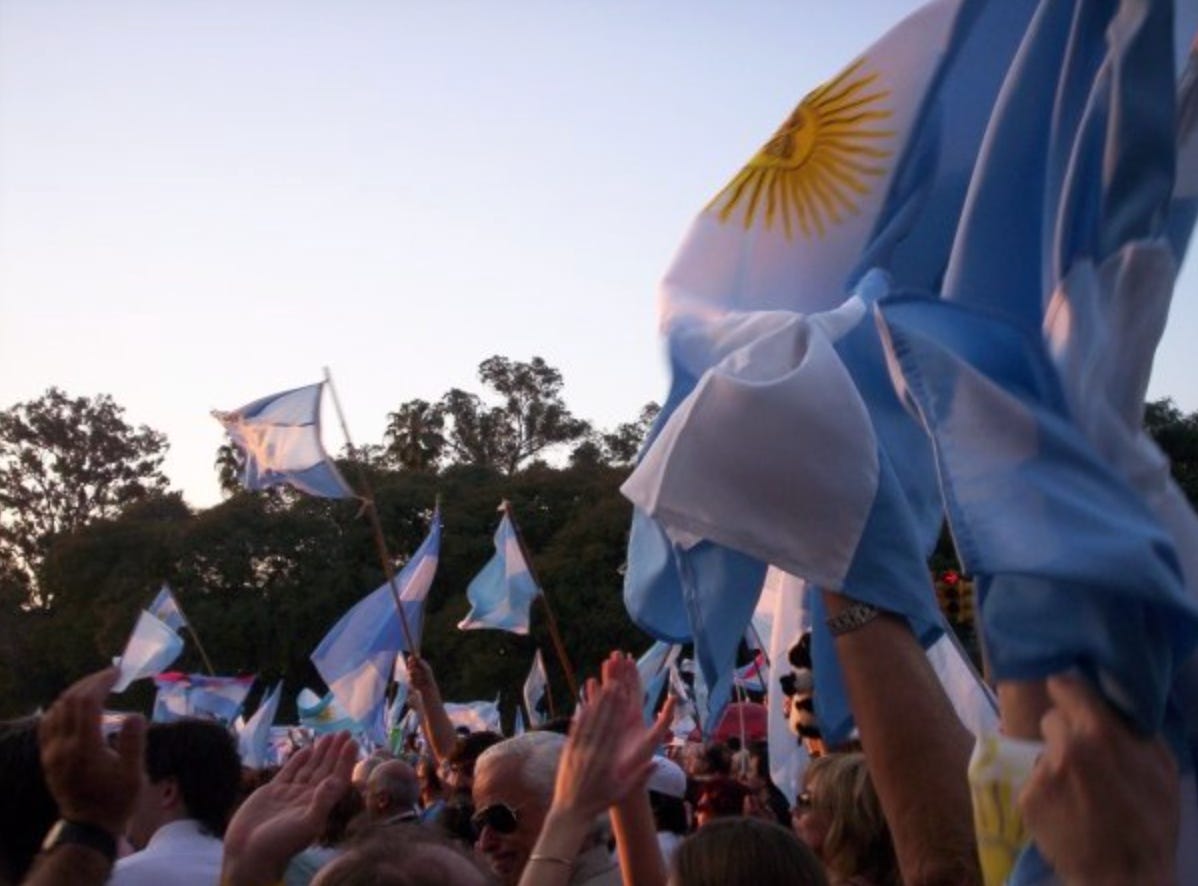
To be in a city of this size can be overwhelming, even to New Yorkers like me. There is constant noise in the urban centers of Buenos Aires. Their downtown looks like a run-down Hong Kong hawker district. Their posh monied urban neighborhoods reek of mismanaged money with a little upper class decay, but it makes them sexy because of the architecture and the educated class that bring their more open ideas into the subculture. You can feel this on DAY ONE, too. There is movement of pedestrians at all hours, and traffic filled with black and yellow cabs, horribly maintained buses, and Renault and Fiat cars owned by the privileged.
Porteños are much kinder than their reputation

People from Buenos Aires, or “Porteños” as they’re called locally, have a somewhat bad reputation that I think is mostly overblown. The stereotype is arrogant, loud, slick talkers who are racist, womanizers (men), “hysterical” (women), and cheap. Do these people exist in Buenos Aires? Yes. Do you see these traits more than you would in neighboring South American countries? Yes. Are these people the norm or the outliers? They are unequivocally the outliers, and the reputation comes more from the Argie tourists abroad rather than just the Porteños themselves.

Porteños are some of the most generous, kind, and deeply compassionate people I have ever met, and it’s not even close. It takes a lot to live in Buenos Aires. It takes a mental fortitude that forces you to harden yourself to survive. Yet balanced with this, Porteños never lack emotion and passion, and rarely lack empathy, kindness, kinship, and loyalty. I’ve met Porteños at a park and ended up joining an asado (Argie bbq party) at their home within minutes. They love to feed friends and even strangers. They love to tell you vulnerable things about themselves and open up about love and anger and desire and all the shit people in places like Boston are scared to.
The most underrated cultural capitol of the world
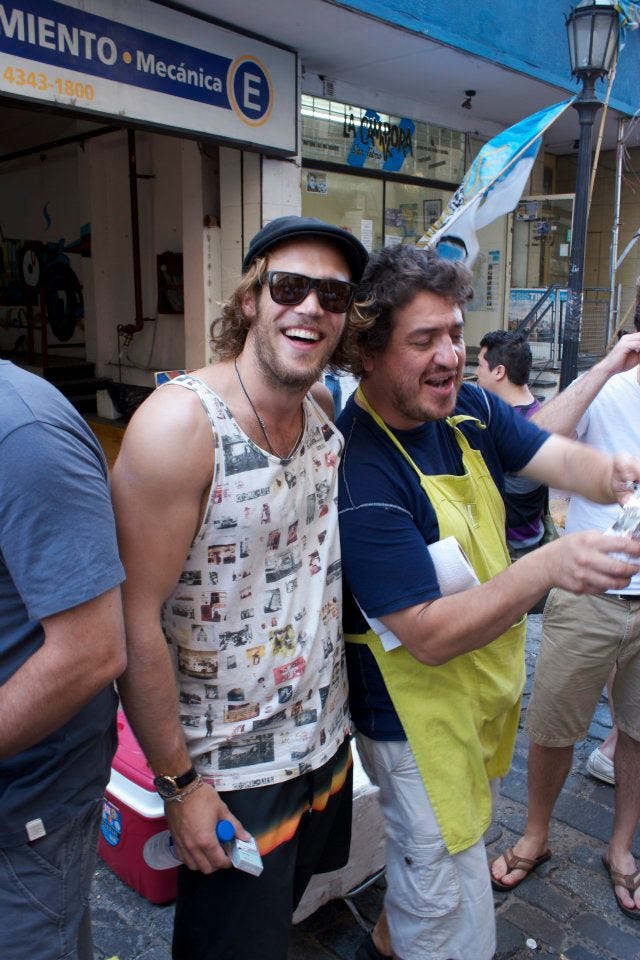
Buenos Aires is soaked in culture. The city is overflowing with creative people chasing their art for art’s sake. The music scene is massive, with as many rock shows as New York, a thriving local hip hop scene, a charming foklore music scene, and the beating heart of the world of Tango. You could go to a show of basically any genre or scene of music you want every day of the week. You can see new art exhibits just as often. There is a fashion scene with bold designers and out-of-this-world gorgeous models who take breaks from Milan to come walk on in Palermo and see Mom and Dad.
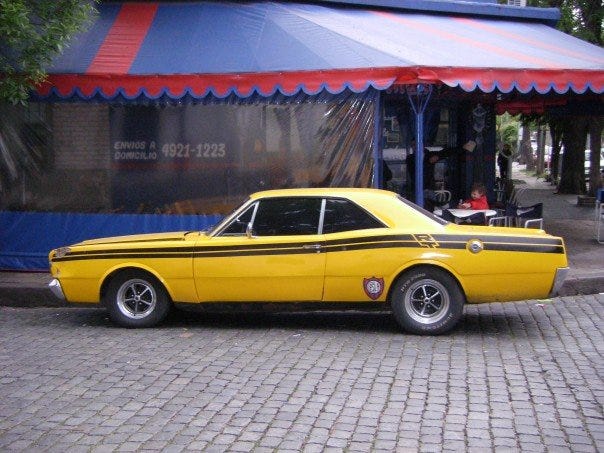
Because of its size, like any mega city, Buenos Aires has a lot of neighborhood cultural markings. At least when I was there, it wasn’t as gentrified as other cities that size. When you’re in San Telmo, you FEEL San Telmo. You feel the hustle culture of the markets and Sunday Feria. You feel the Spanish Colonial architecture pull at your mind in every restaurant and shop, and all the things they sell. In Palermo you feel like you made it. The hot girls in yoga pants with gay guys and small dog accessories chat up nonsense the makes a buzz over the Plaza Serrano patios mixing with traffic and clinking coffee spoons.
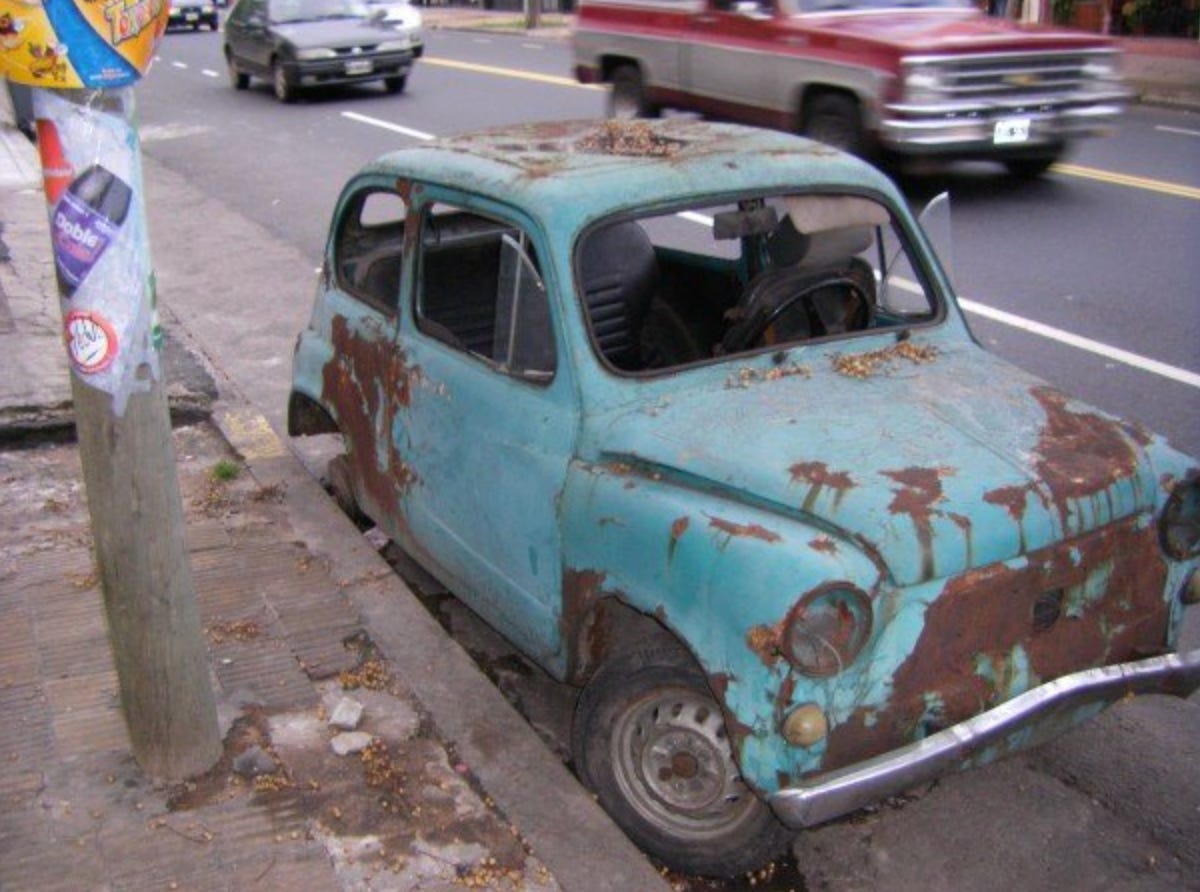
The outer barrios of Buenos Aires are like another planet. They’re developed with massive mid-20th Century housing blocks for the working class. They’re rows of tiny little boxes with lights dominating the street view but not quite tall enough to dominate the sky. Down below it’s South America at its finest. There are old men tailors and butchers who smoke while working and sit outside the shoebox-sized stores to get a break from the heat or to catch up on gossip. There are smoking sausages at street corner cafeterias, tire shops, and young people kicking soccer balls, smoking together, and making out.
Chaos is gorgeous in Buenos Aires

The most undeniable description of Buenos Aires that literally anyone who’s ever been there would attest to is that it’s chaotic. The city moans with noise day and night, both human and machine made. The money feels worthless no matter how much you make, and the government ire causes daily protests and cop clashes. There are constant workers strikes, tear gassed avenues on the way to work, soccer riots, parades, and national holidays.
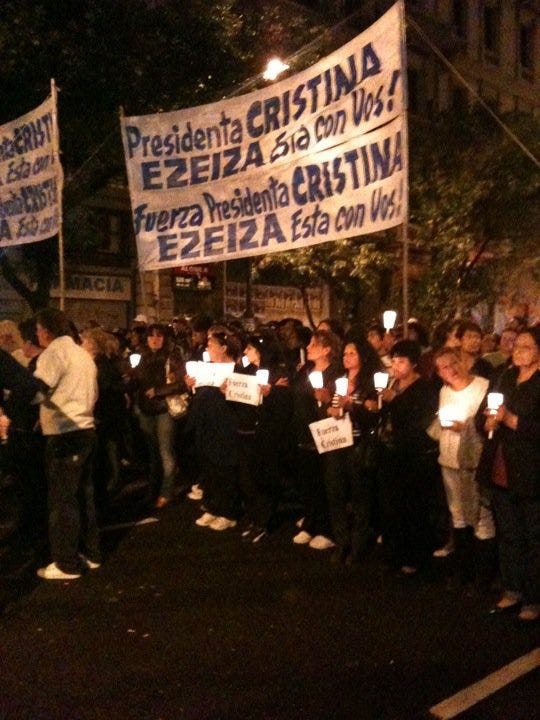
Dating in Buenos Aires is is chaotic too, as are jobs, friendships, and your own personal sanity. Porteños get used to this, which is what makes them so resilient. Things go wrong all the time, but yet, life moves on. They’re constantly heartbroken in love, and by their favorite soccer team, and by the government, and the economy. But they always put that shit behind them and play life the way it was meant to be played. They love hard and they’re proud of their resiliency, and it’s so powerful that you feel this while you’re there, and even learn to do it yourself.
You can never truly describe Buenos Aires until you’ve seen it. And even then, you’re just searching for order to describe the orderless. Spend a few weeks there and see for yourself. I did, and I overstayed by 4 years.
I remember a single boulevard with 12 lanes (or was it 16?). And then there was the diesel smell of worn-down buses that felt like a throwback to the 1970s. The first night we visited you at The Spot, young, attractive strangers came up and hugged us in welcome to their local bar in their beloved neighborhood.