
San Telmo is for Artists
Old Town charm, rugged, raw, and perfectly imperfect.

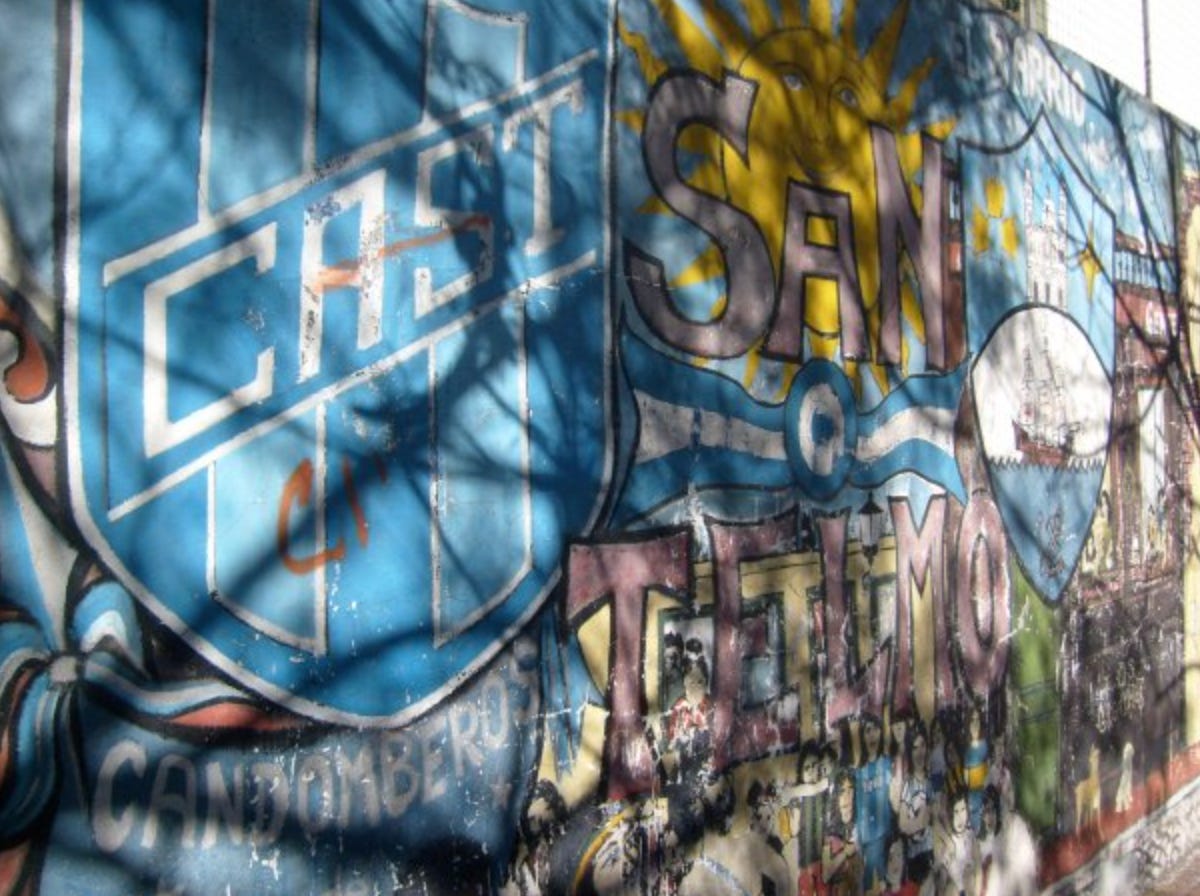
San Telmo is my favorite neighborhood in Buenos Aires, and it’s not even close. On the southern end of the city, it captures the raw struggle, romance, fallen decadence, and artistic might of the City of Fury in a paradoxically neat and organized 10 x 10 blocks. It’s best known for the Sunday Feria (open air market) that draws tourists and some hip locals out for artisan crafts, greasy sausage sandwiches, and the voyeuristic pleasures of watching street tango and hippies doing acrobatics at crosswalks.
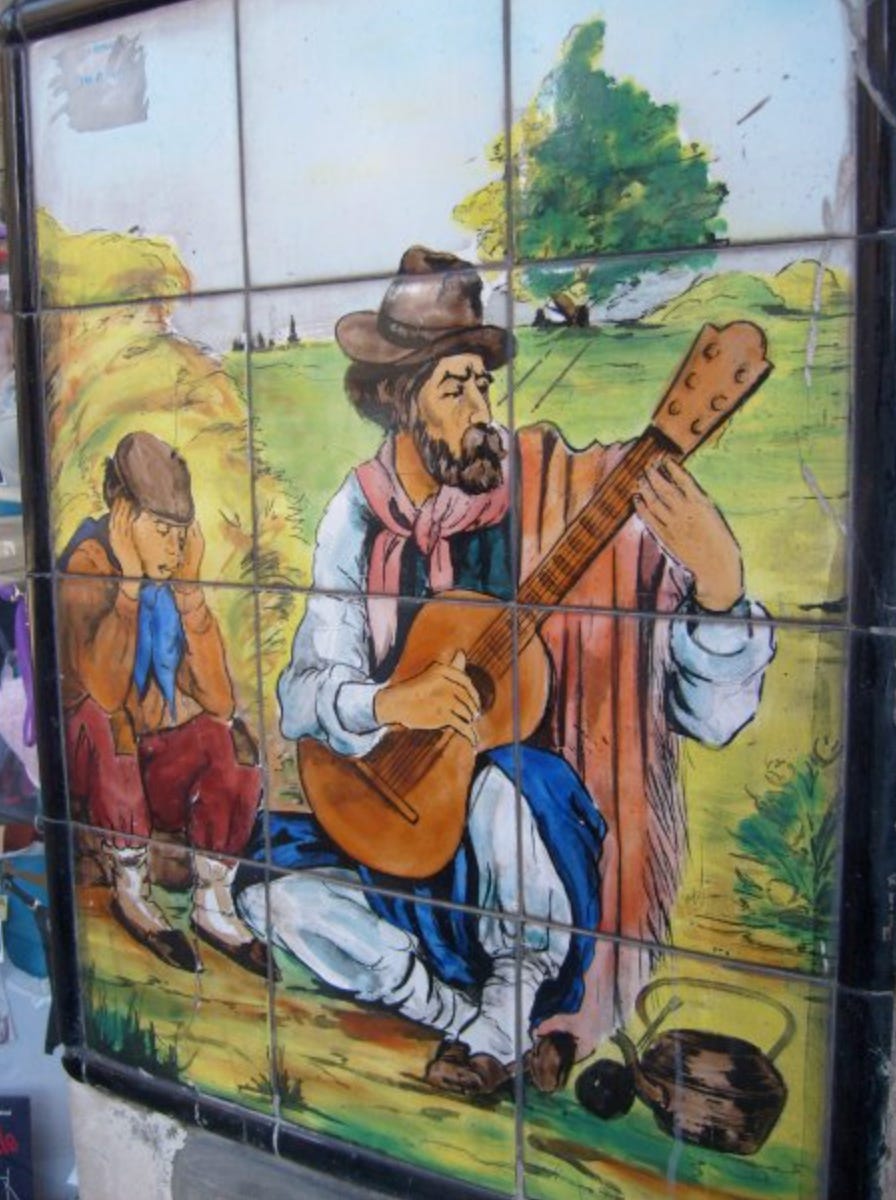
San Telmo isn’t just an artists’ neighborhood, it IS art in and of itself. The murals aren’t curated and commissioned by marketing teams or city improvement budgets. The antique stores hold relics from rich families who lost it all in the 2002 crash, like dark personal histories woven through dusty lamps, hand-carved wooden furniture, and silverware that’s been untouched for decades. Meat is grilled on open flames adjacent to boutique hotels, where the cigarette plumes billow with the laughter of partially-toothed taxi drivers gossiping over fernet.
The charm of preserved authenticity in a world with too much soulless modernism
I have a deep affinity for “Old Town” sections of once-colonized cities. They’re mostly European-influenced, though one could make the argument that the Ottoman and Arabic-influenced Old Towns in Turkey and Andalusia are just as charming. I’ve lived in two of these places. One was in Panama, a UNESCO World Heritage Site called Casco Viejo. The other is San Telmo, the Old Town in Buenos Aires. Both were my favorite neighborhoods in each respective country, and both highly complex.
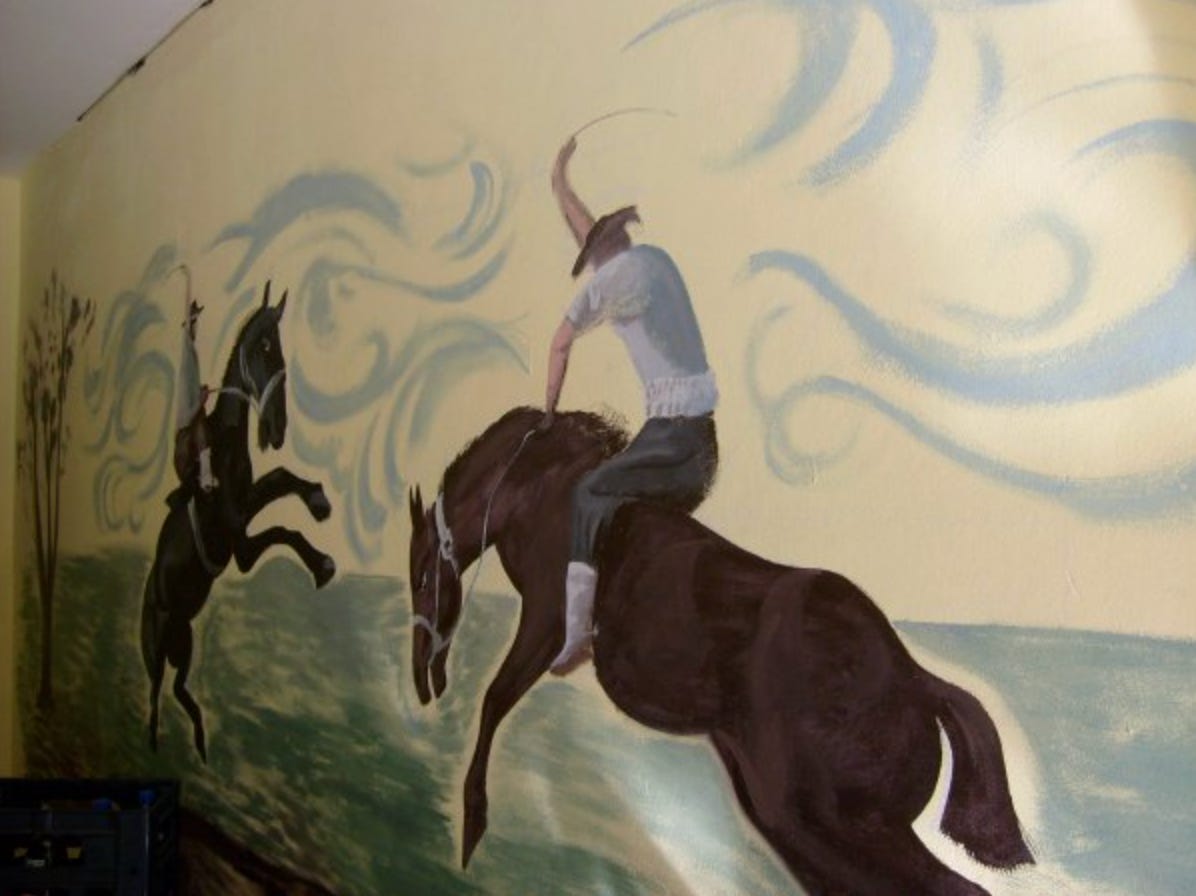
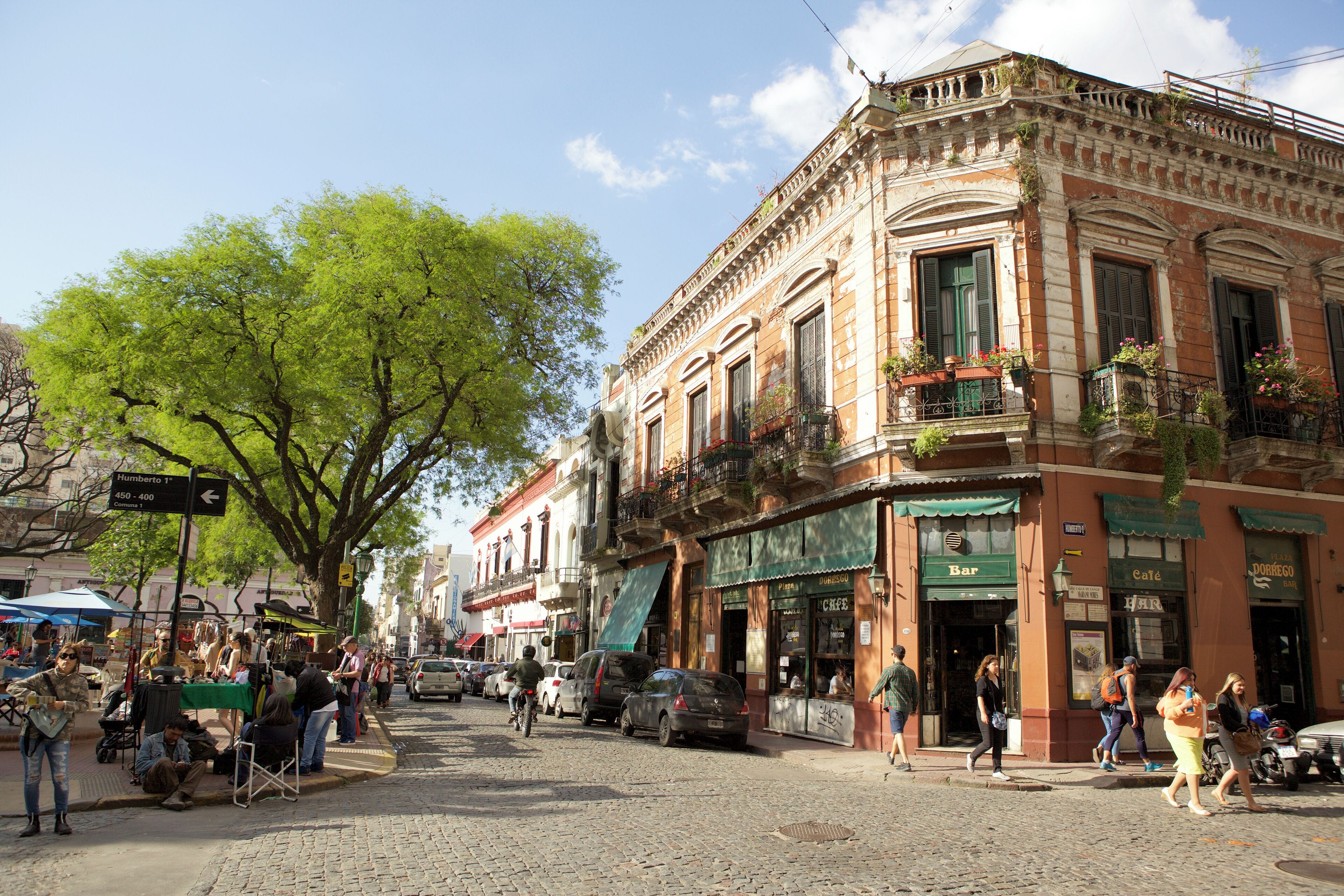
Modern development champions cost efficiency, technology, and space efficiency over seemingly everything else. Old Town infrastructure does not. That’s its strongest appeal. The Spanish built the cores of their conquered cities to mimic their own. There’s always a central plaza that acts as the beating heart of commerce, leisure, religion, governance, and protest. San Telmo’s central plaza is no exception.
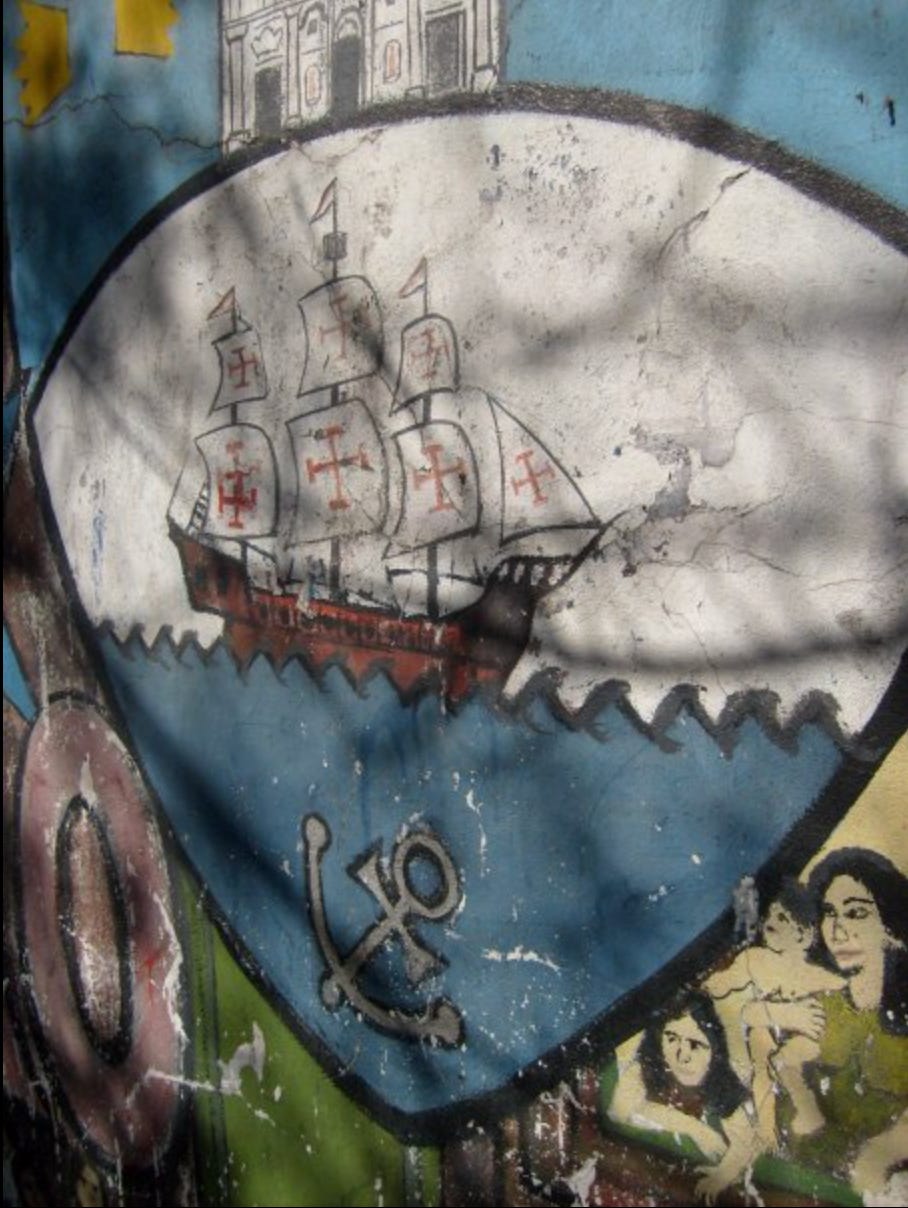
Plaza Dorrego feels less like a tourist attraction and more like a living room for the city’s collective subconscious. Elderly men debate politics and football beneath the trees while tango music drifts through the square and artists sketch quietly at café tables. The architecture itself encourages life to spill outward. Narrow sidewalks, wrought iron balconies, tiled entryways, and aging facades create a kind of forced intimacy that modern cities seem designed to eliminate.
Layer upon layer of Argentine history stacked in a small, semi-rundown neighborhood
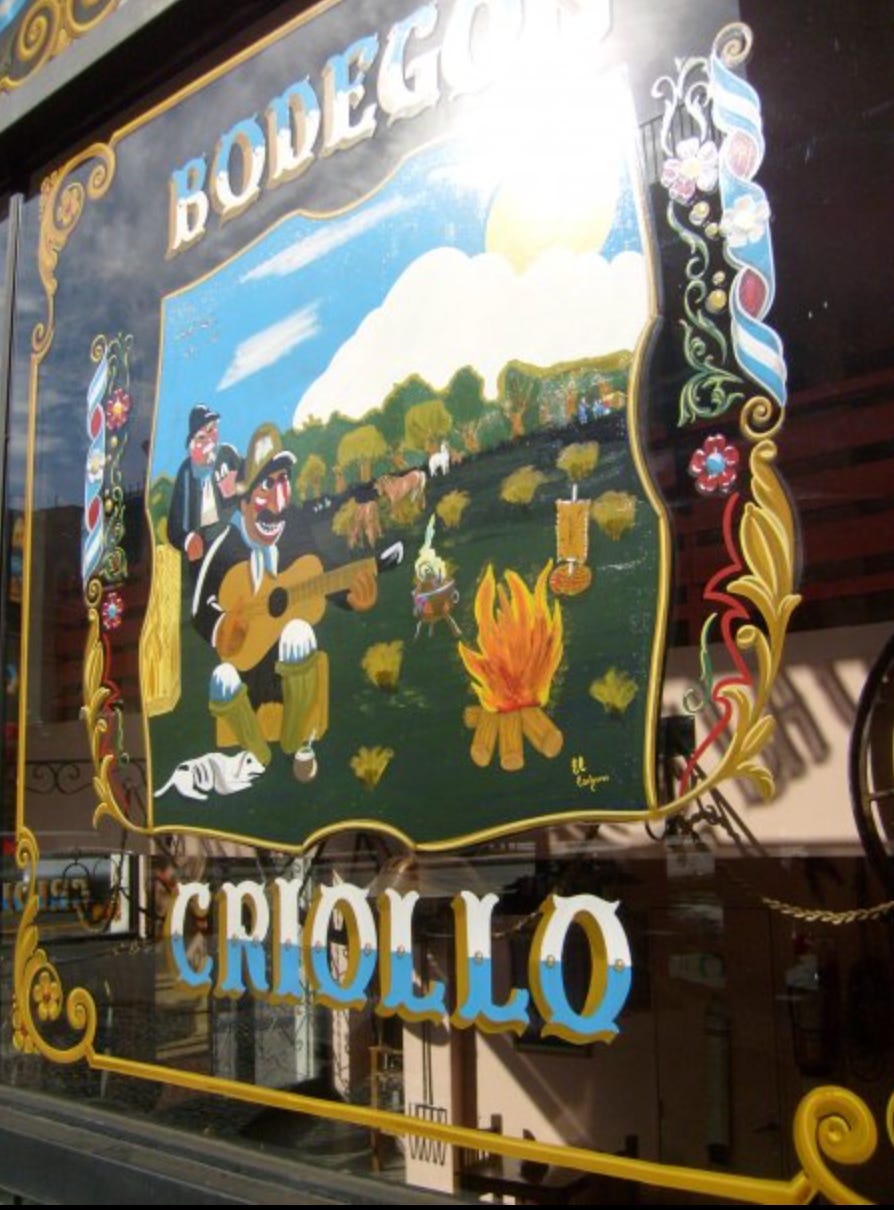
The contradictions and layered scars of San Telmo are why it’s so beautiful to me. San Telmo carries the ghost of Argentina’s rise and collapse simultaneously. Once home to Buenos Aires’ aristocracy, the neighborhood changed after yellow fever outbreaks pushed the wealthy north toward Recoleta. The grand homes left behind were subdivided into communal immigrant housing, layering elegance with hardship in a way that still defines the neighborhood today.
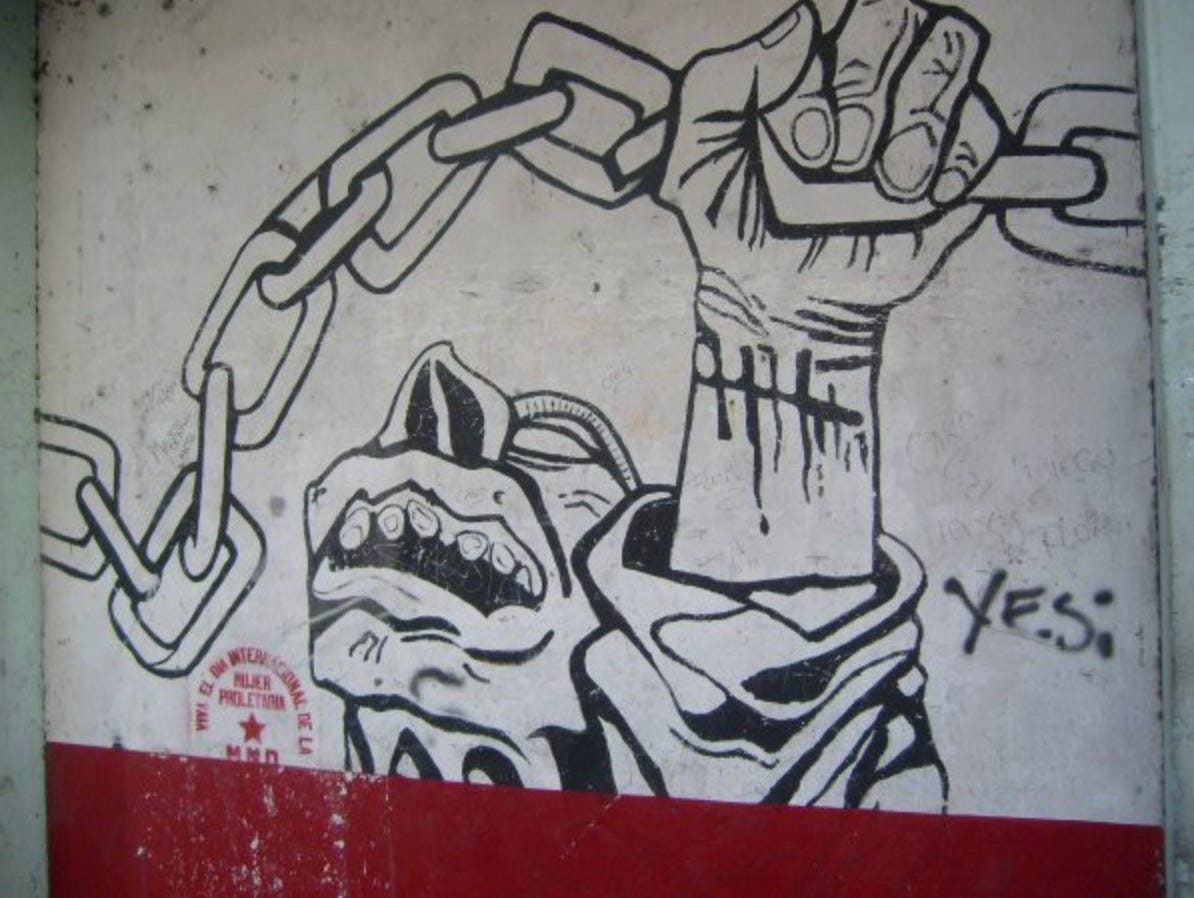
That contradiction is what makes San Telmo so complexly appealing and even aesthetically iconic. The chipped paint, cracked marble, rusting balconies, and fading storefronts don’t diminish its charm; they create it. In modern neighborhoods, aesthetics often feel manufactured. In San Telmo, these things feel more earned, more difficult to find through the maze of a mega city. The gringos love it because it feels real. The Argies have a love/hate relationship with it, but the artists among them are addicted to that charm, and in their own way, create it.
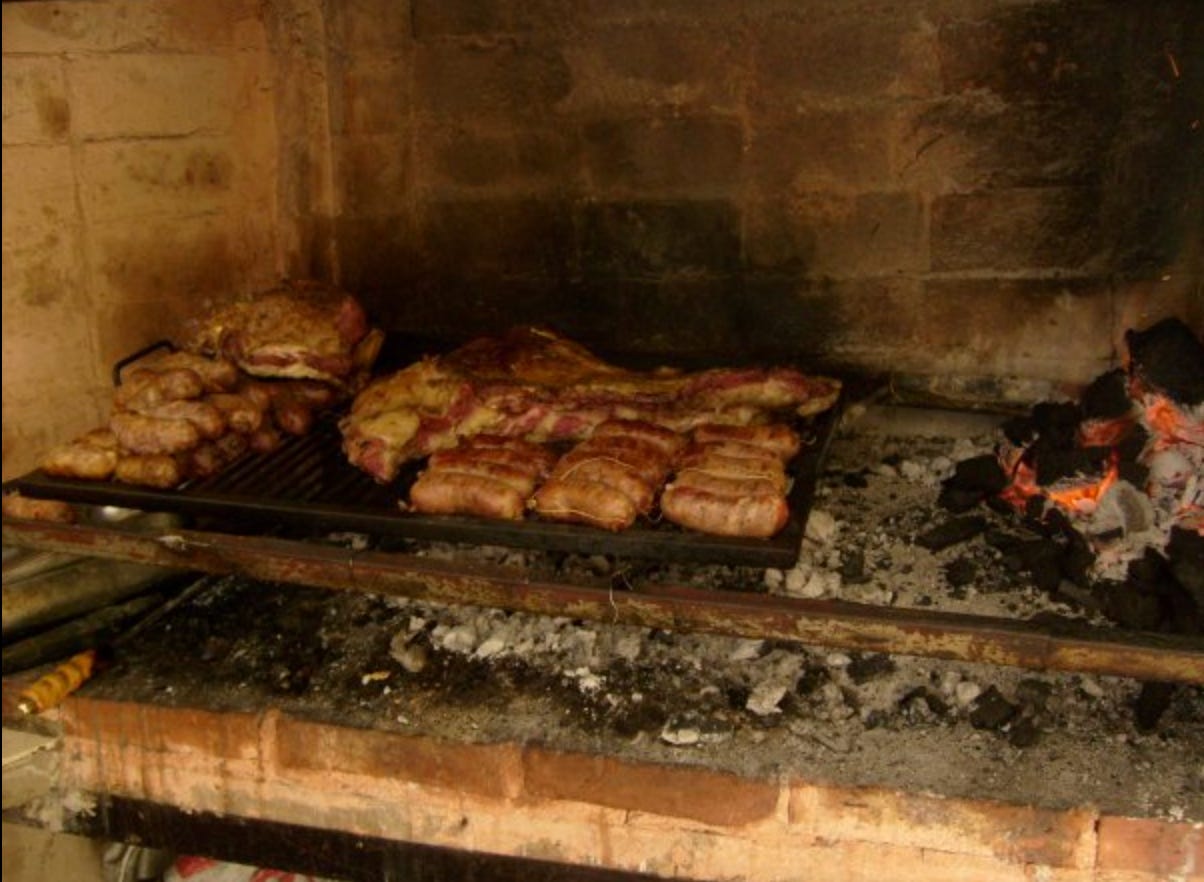
It’s no surprise the neighborhood became a refuge for artists, musicians, antique dealers, chefs, and drifters obsessed with self-expression. Restaurants feel personal rather than corporate. Galleries exist beside butcher shops and corner stores. Boutique hotels occupy decaying colonial buildings that still feel haunted by another era. San Telmo resists becoming polished or sanitized. It remains emotional, expressive, imperfect, and deeply alive.
A city within a city that still feels human
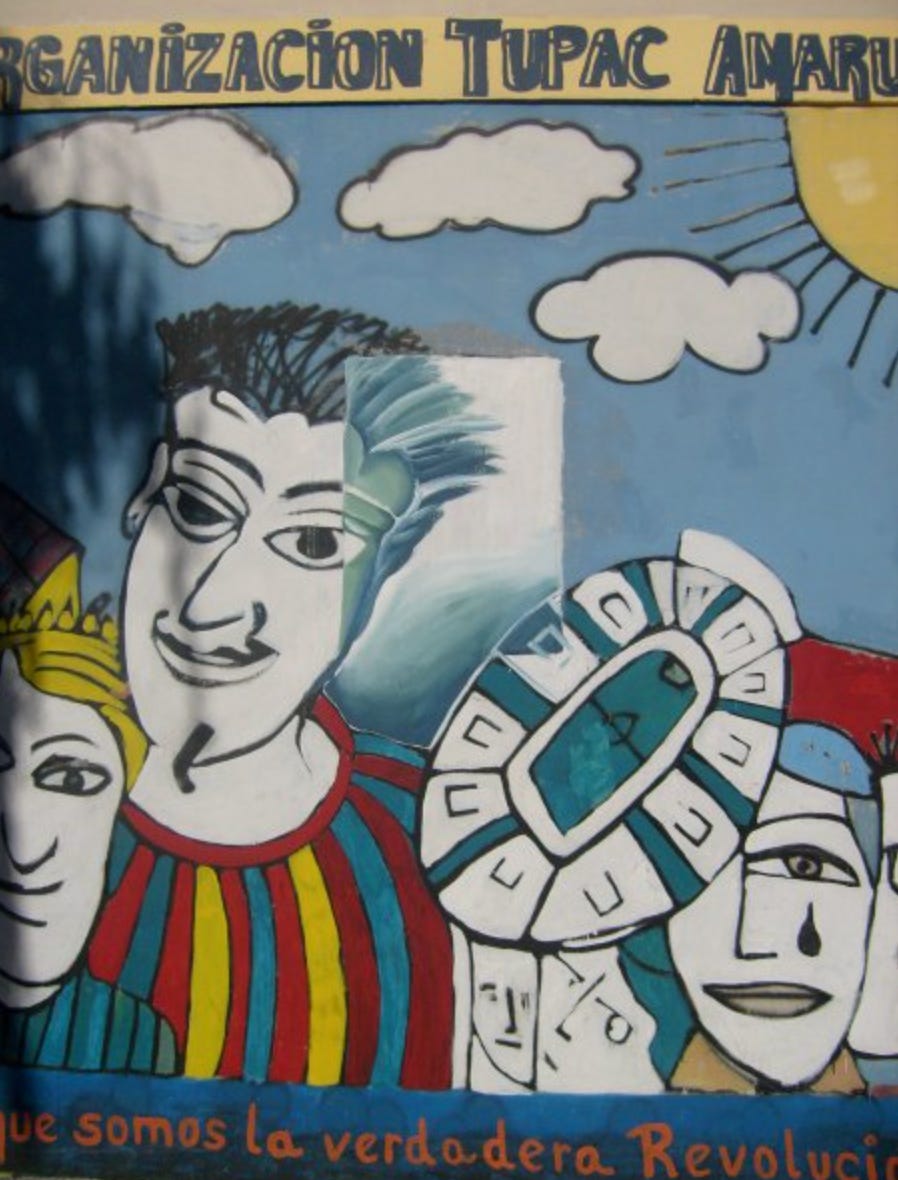
I think what I ultimately love about San Telmo is that it still feels human in a world increasingly designed to feel efficient. The neighborhood isn’t optimized. It doesn’t move particularly fast. Things break. Buildings lean a little. Sidewalks crack. Waiters disappear for twenty minutes at a time. Weed smoke billows from the alleys and patios of hostels. Nothing feels streamlined for maximum convenience, and somehow that’s exactly why it works.
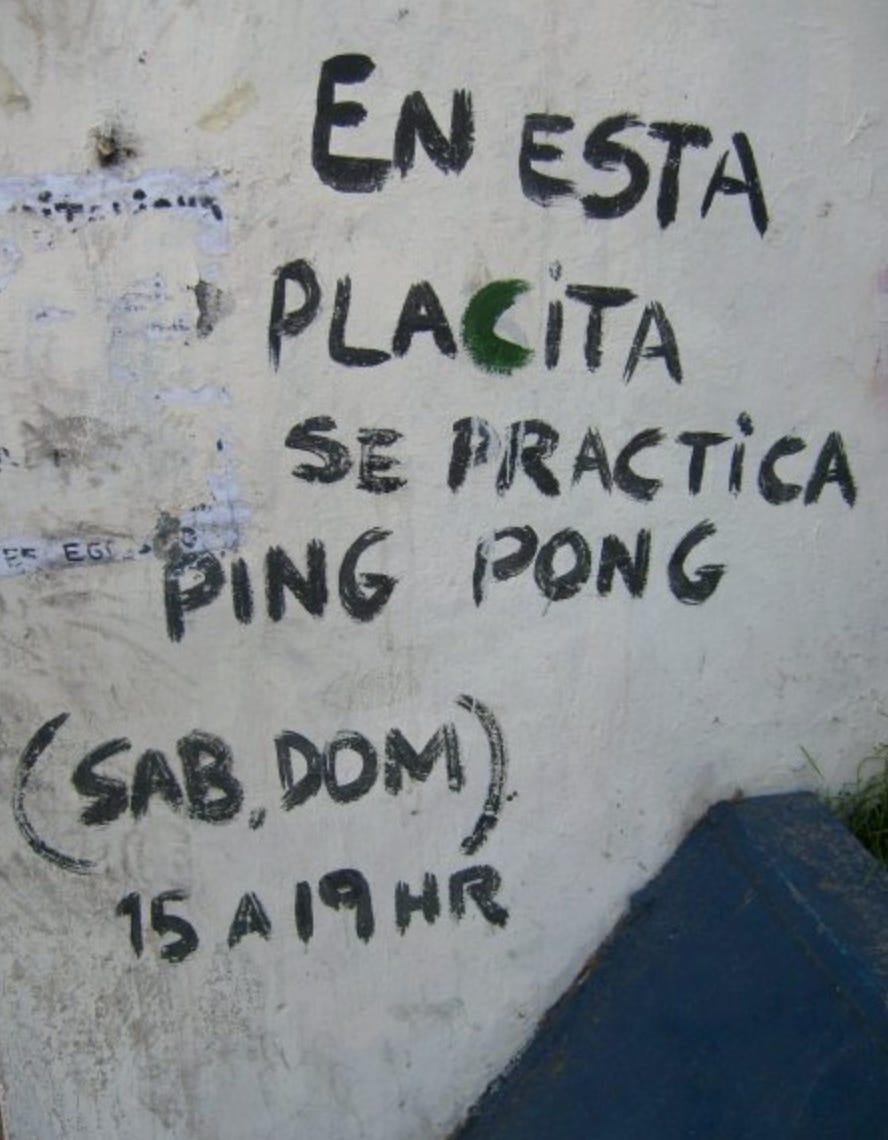
There’s a strange dignity in places that don’t erase their imperfections. San Telmo feels comfortable with its own contradictions. Beautiful but rough. Romantic but gritty. European but unmistakably Latin American. You can drink natural wine beneath chandeliers in a crumbling mansion and then walk outside into graffiti, stray dogs, political posters, and the smell of grilled chorizo smoke hanging in the air. None of it clashes. It all belongs.
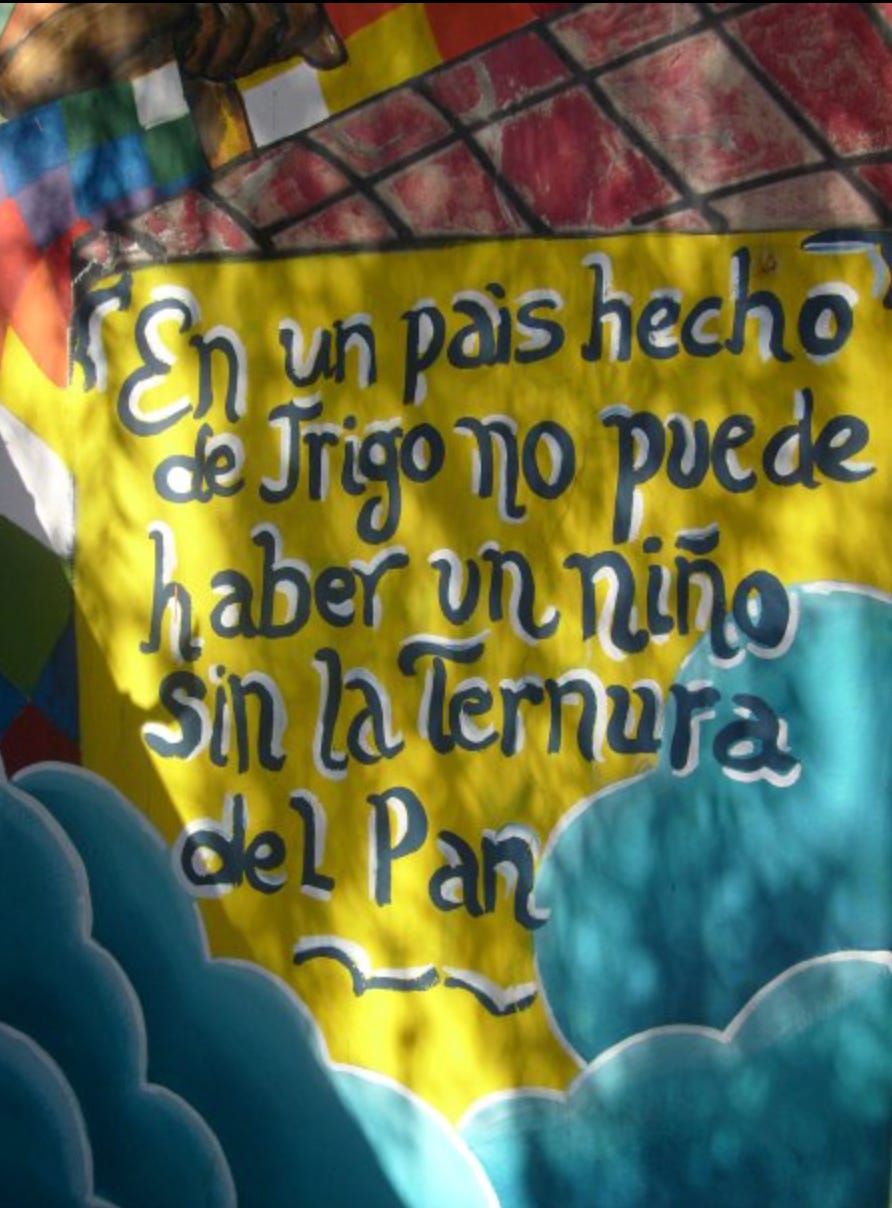
That’s the part that I think modern cities keep getting wrong. Soul cannot be master planned. You cannot algorithm your way into authenticity. The best neighborhoods in the world usually emerge from struggle, immigration, artistic obsession, economic collapse, resilience, and time. San Telmo has all of it layered into every block.

And maybe that’s why I keep romanticizing it years later. Not because it’s perfect, but because it isn’t. San Telmo feels like a neighborhood that survived something. And in a strange way, so do the people who love it.
I remember San Telmo. It was comfortable walking there, and felt like a small town within a gigantic city.